



News
The most complete embroidery process
- 2023-02-15 08:26:51
-
The most complete embroidery process, you will become a more professional designer after reading it
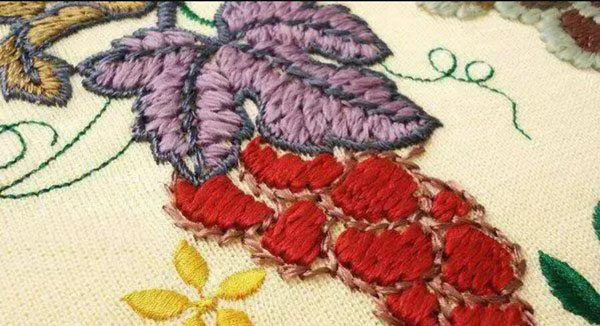
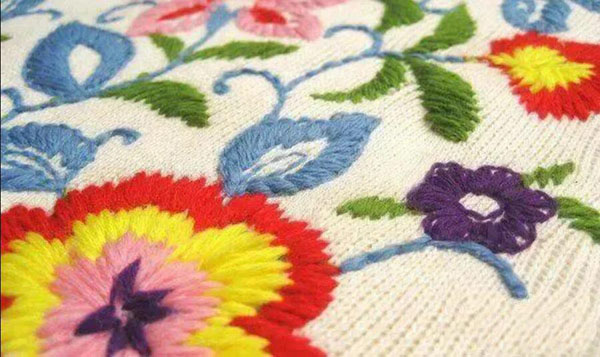
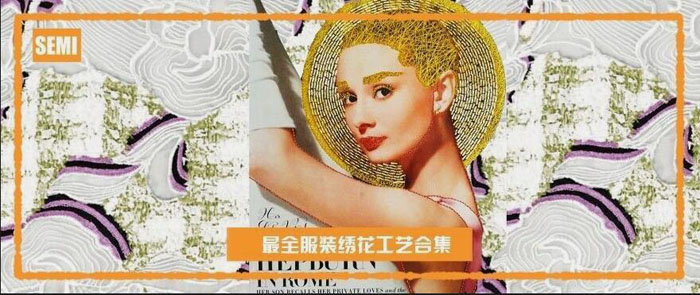 "Master embroiderer, how can I embroider with such an effect?"Understanding various Embroidery Techniques is a professional requirement for designers, and the rational use of techniques in clothing design is the soul that designers give to clothing. In commercial design, Computer Embroidery is mostly used. Today's main introduction is also Computer Embroidery.1, Flat EmbroideryFlat embroidery is the most widely used embroidery in embroidery.Flat Embroidery can be divided into jumping stitch embroidery, walking stitch embroidery, and tatami embroidery. Jumping stitch embroidery is mainly used for simple fonts and patterns such as LOGO; walking stitch embroidery is used for patterns with small characters and fine lines; tatami embroidery is mainly used for larger and more delicate patterns.
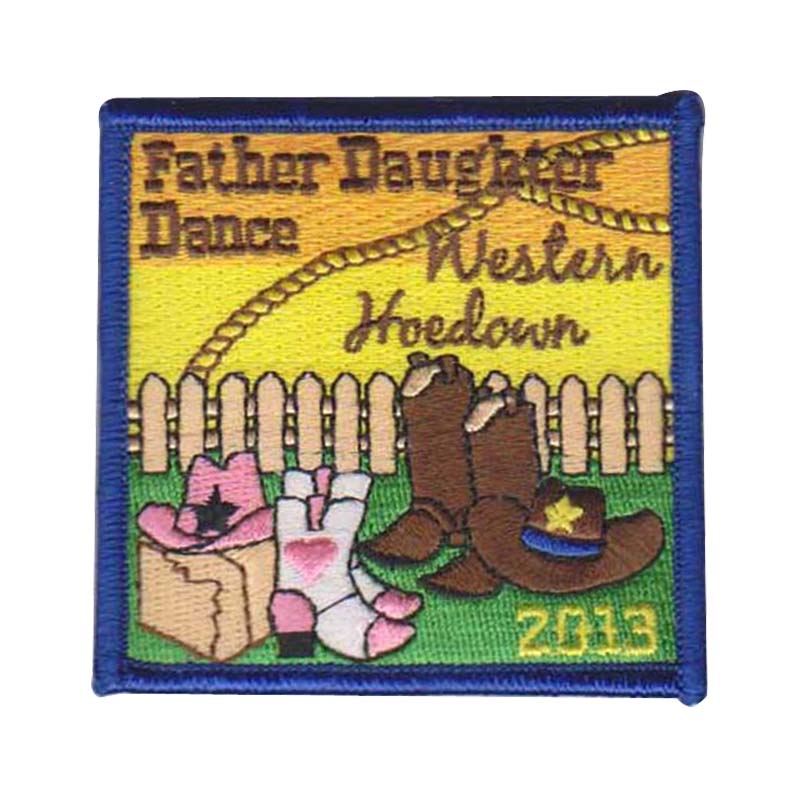 Skip Stitch Embroidery, the common embroidery method of letters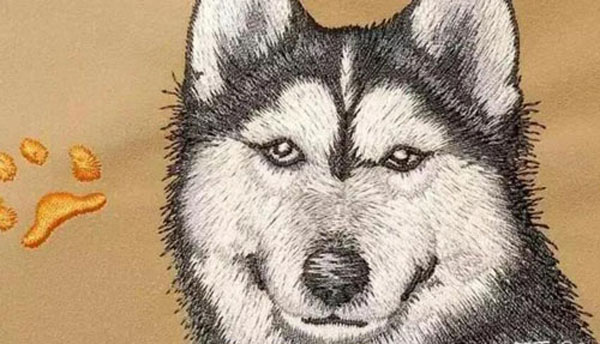
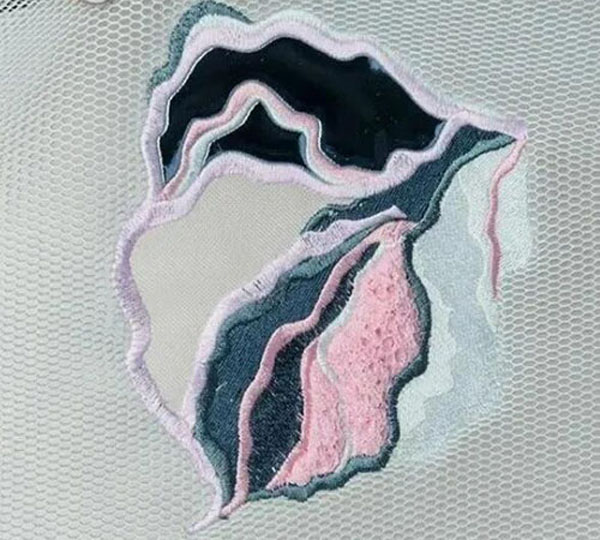
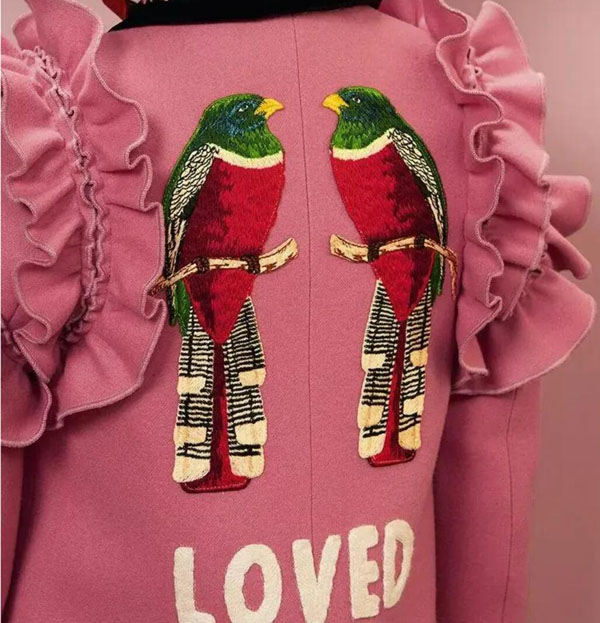 Needlework Embroidery, irregular stitches, stitches interspersed with each other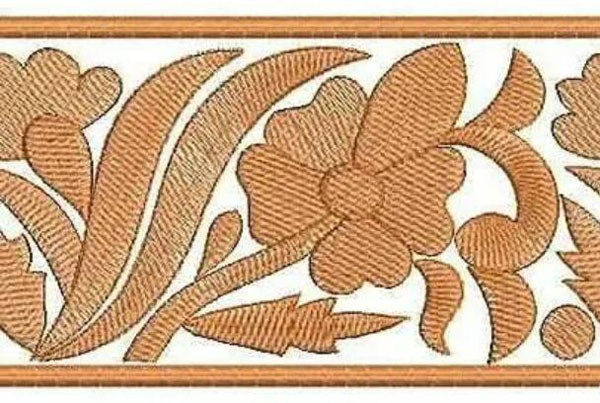
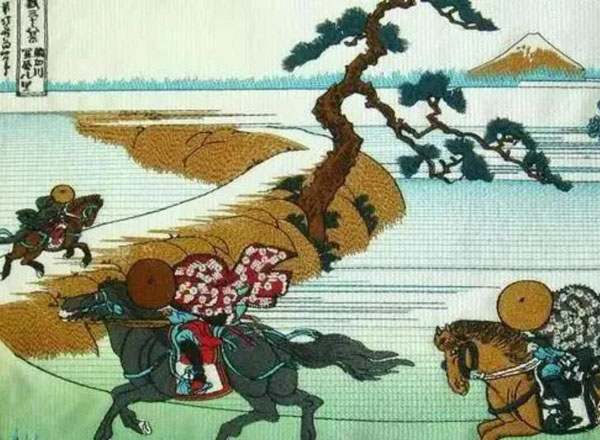 Tatami Embroidery, named after the same texture as tatami2, three-dimensional embroideryThree-dimensional embroidery (3D) is a three-dimensional pattern formed by wrapping EVA glue inside with embroidery thread. EVA glue has different thickness (between 3-5CM), hardness and color.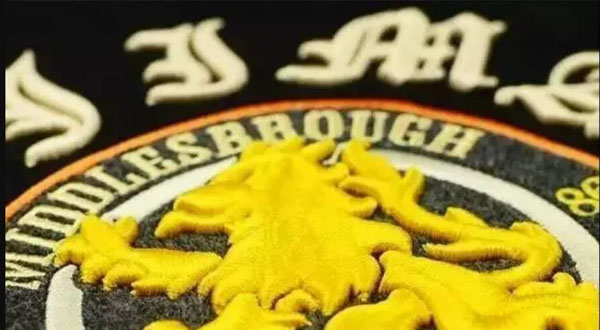
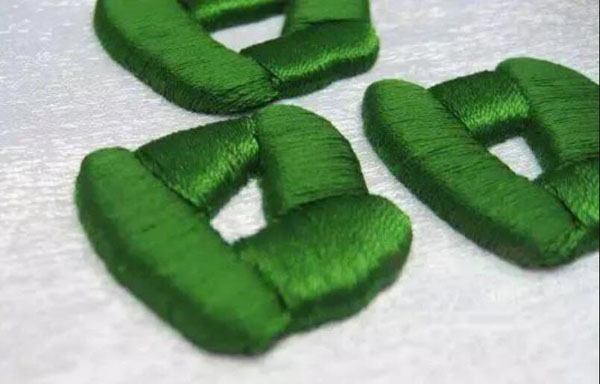
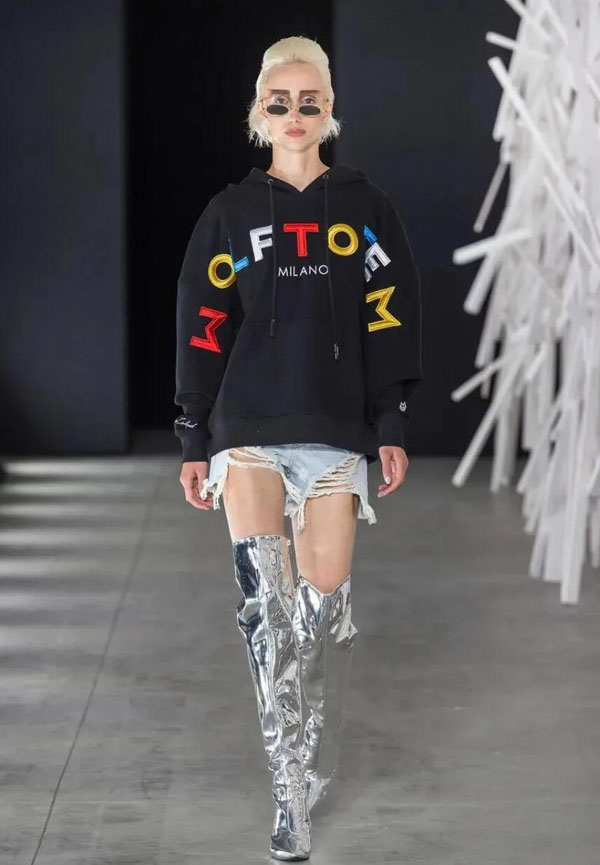 3, hollow three-dimensional embroideryHollow Three-Dimensional Embroidery is to dissolve the padded styrofoam after embroidery to form a hollow in the middle, showing a soft and three-dimensional effect. (Styrofoam has a smooth surface and usually has a thickness of 1~5mm).
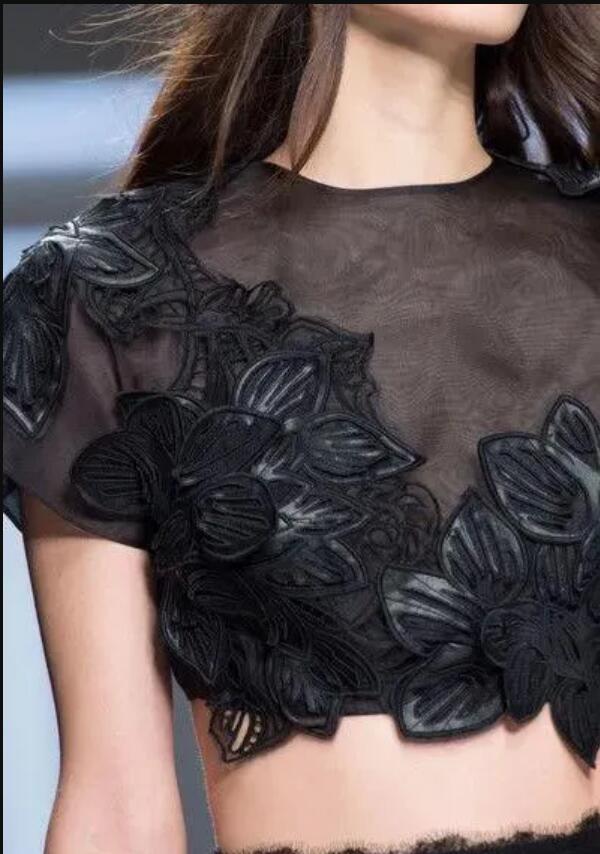
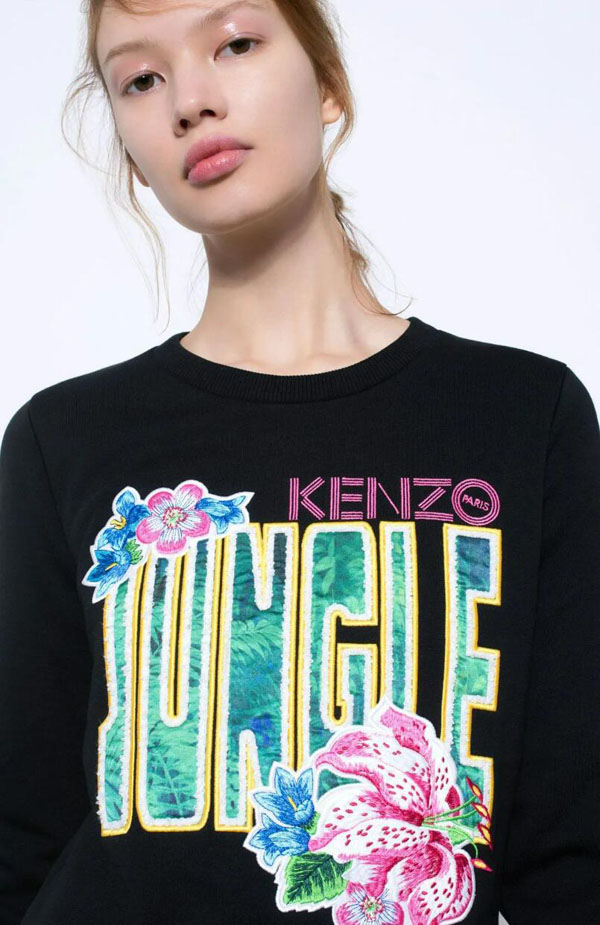
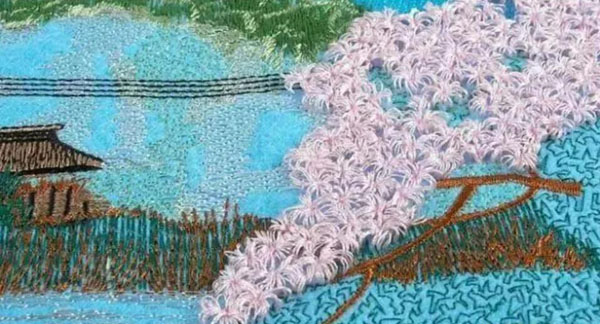 4, AppliquésAppliqué Embroidery is to use appliqués instead of stitches to save embroidery threads and make patterns more vivid. Appliqué materials can be varied.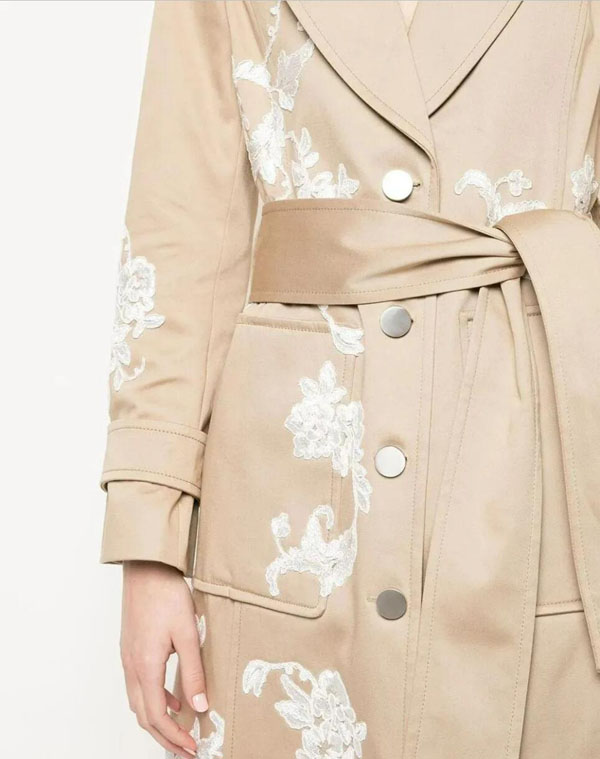
 5, Thick Thread EmbroideryIt has the rough feeling of hand embroidery, which matches the trend of imitation hand embroidery, and is generally welcomed by consumers.Features: Special materials are required. Threads thicker than ordinary embroidery threads (120d/2), such as 300d/2 or 450d/2, are used.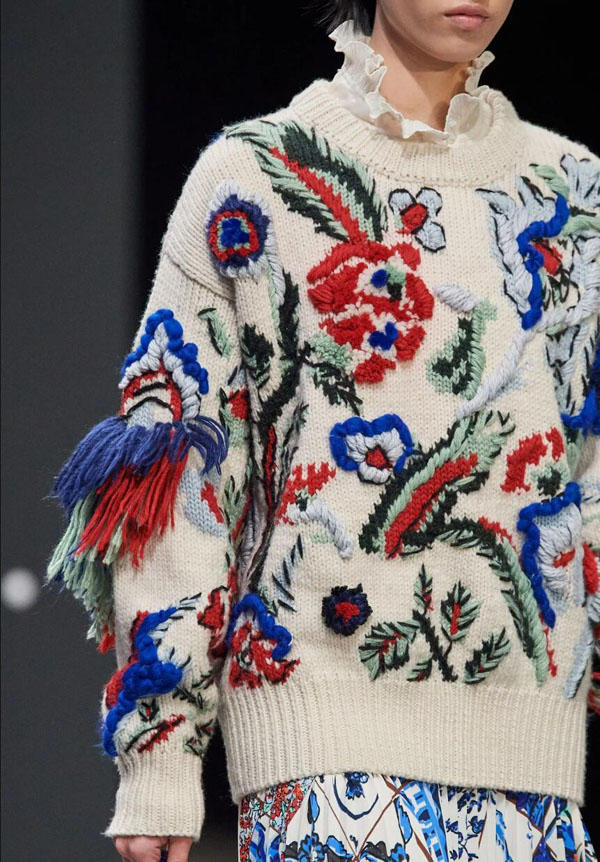
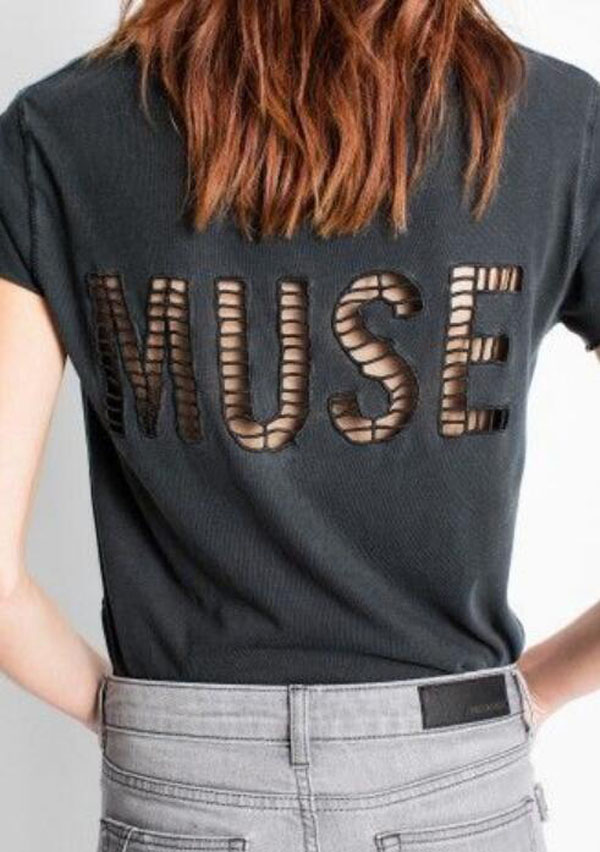
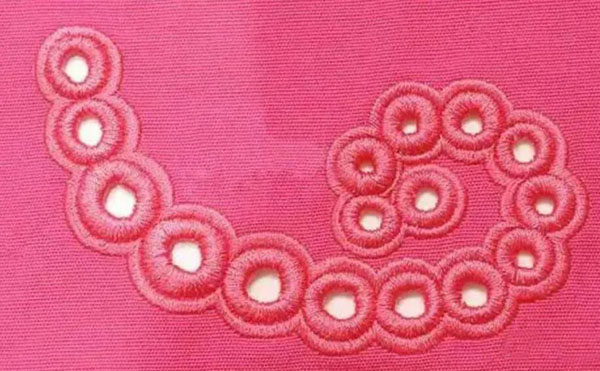
 6, Hole EmbroideryEngraving needs to install the engraving device (currently it can only be installed on the 1st needle bar). It is to use a carving knife to carve through the fabric, and then wrap it with embroidery thread to form a hole in the middle.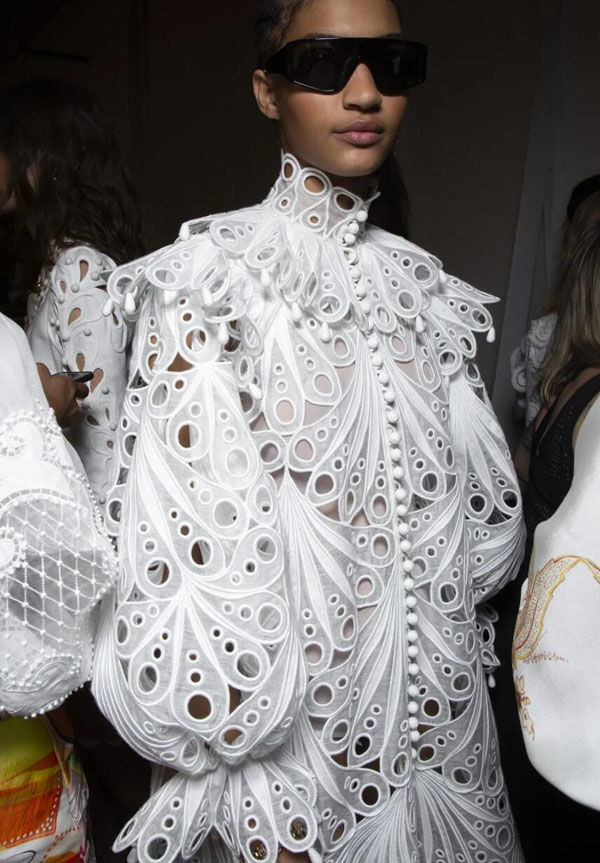
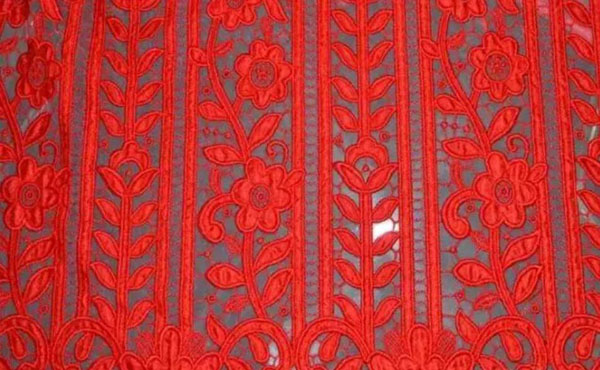 7, Flat Gold Thread EmbroideryThe flat gold thread can be used in ordinary flat embroidery machines. Since the flat gold thread is a flat embroidery thread, a flat gold thread device (which can be installed on any needle bar) needs to be installed.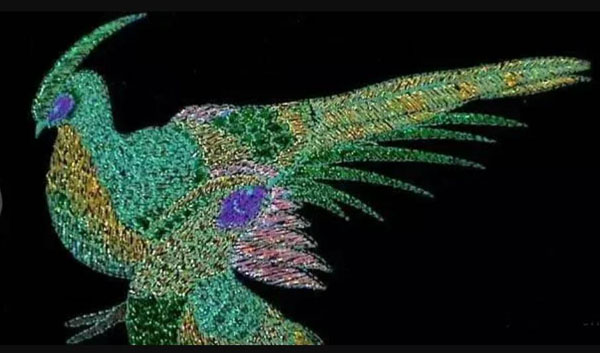
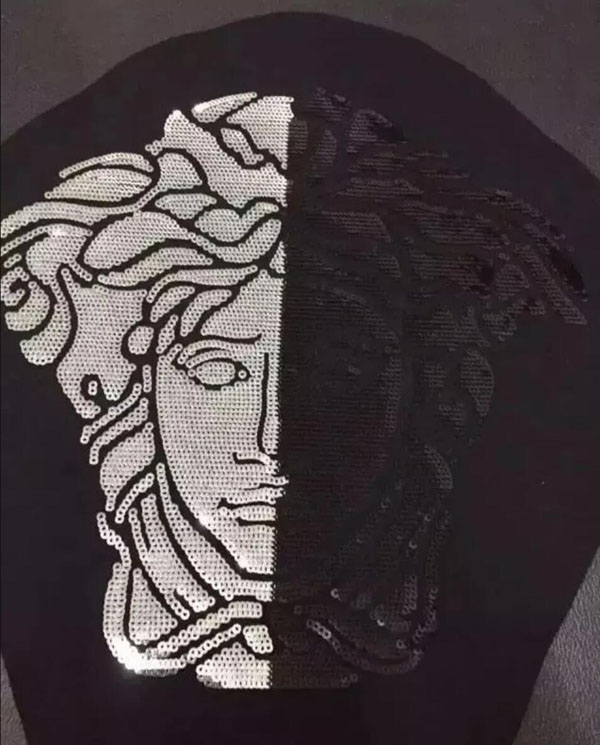
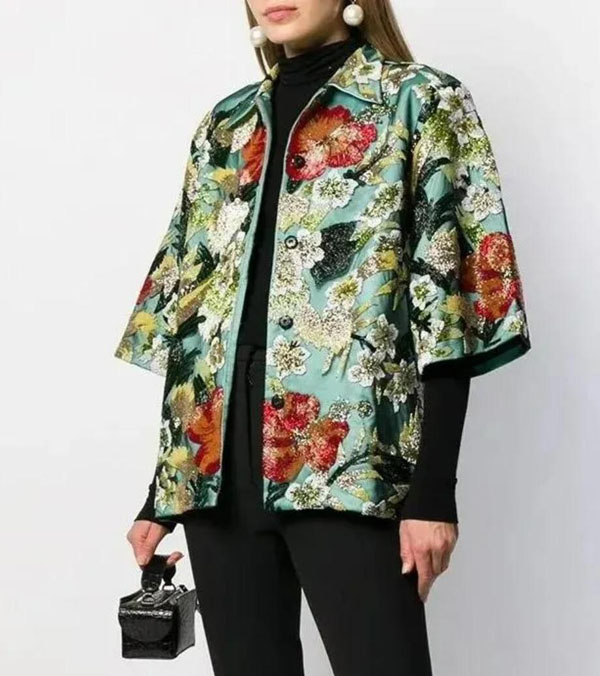
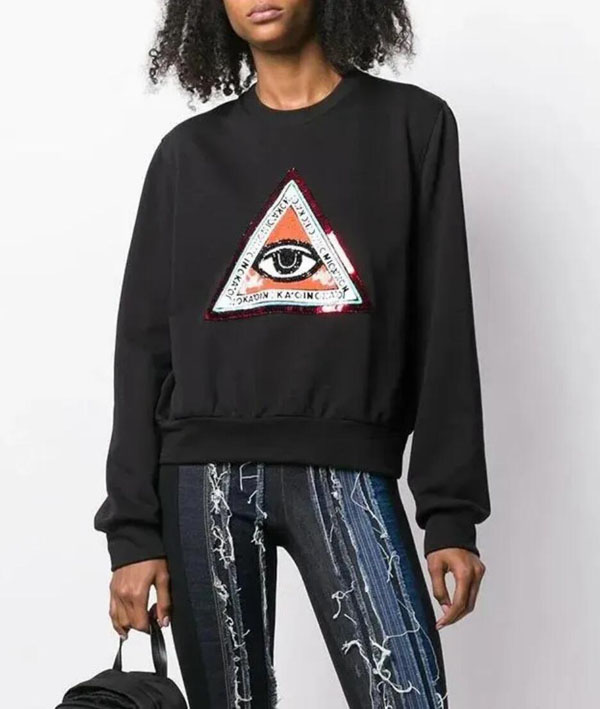
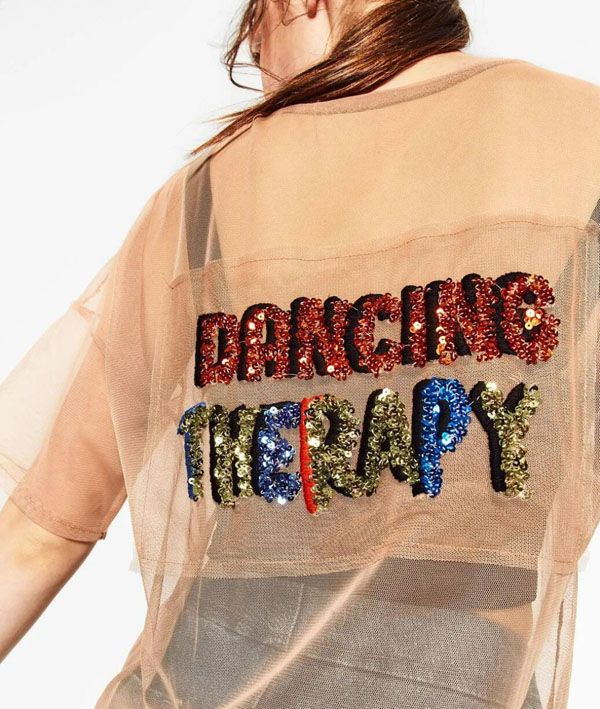
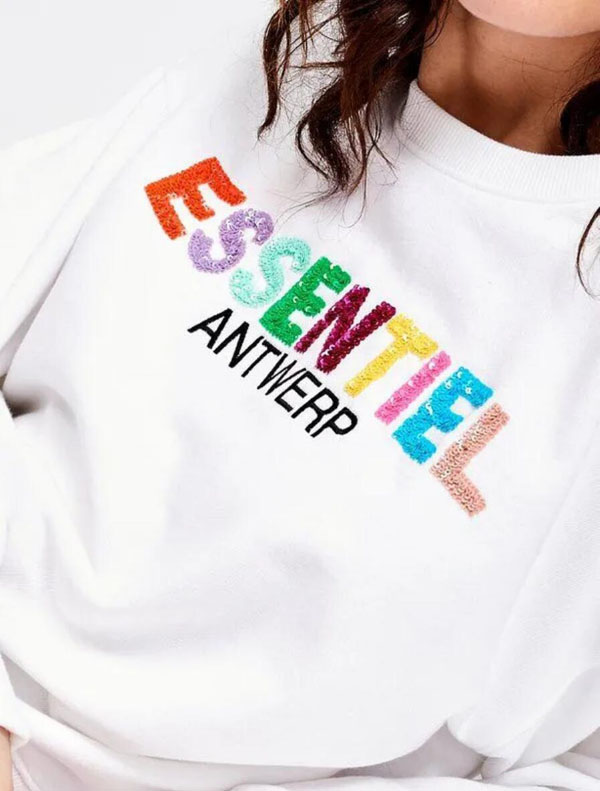
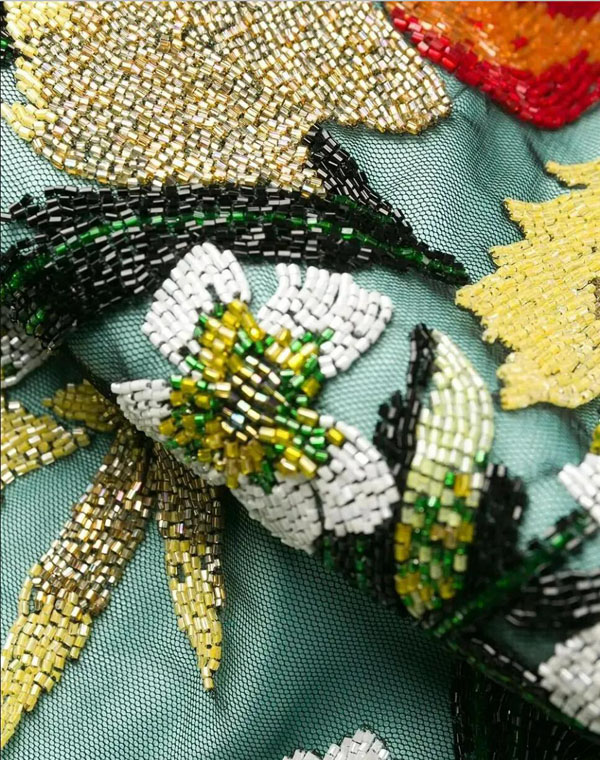
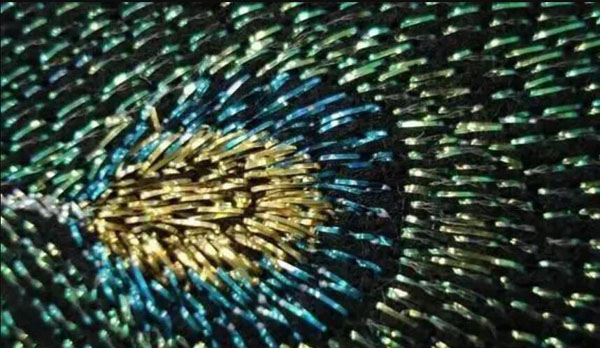 8, sequin embroidery, bead embroiderySequins of the specified shape and size are connected in series to form a rope-like material, and then embroidered on a flat embroidery machine that has been equipped with a sequin embroidery device. It truly integrates flat embroidery, sequin embroidery, and bead embroiderysequin embroidery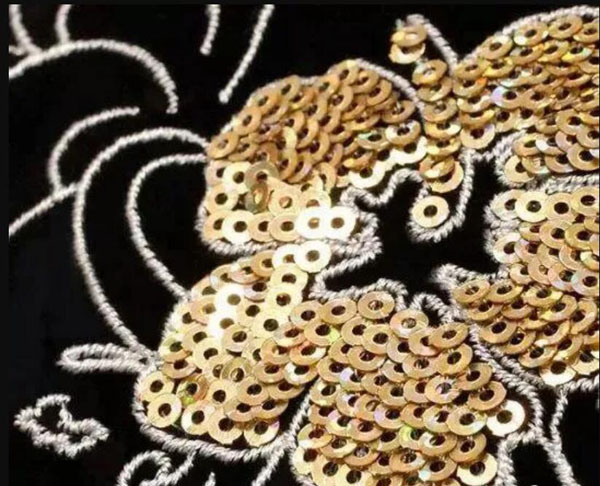
 Bead Embroidery
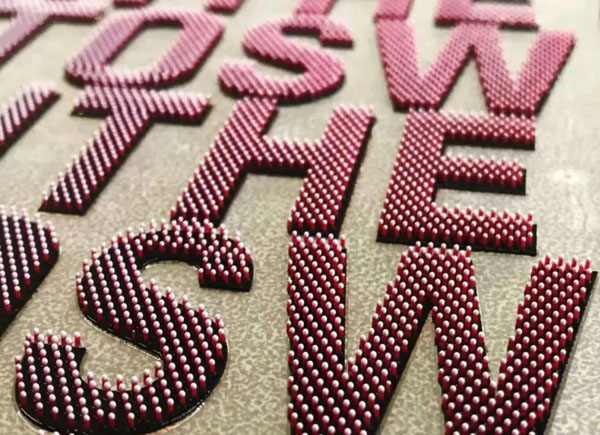
 9, flocking embroidery, toothbrush embroideryFlocking embroidery needs to be equipped with flocking needles. The principle of embroidery is to use the hook on the flocking needle to pick up the fiber fleece on the flannelette and plant it on another fabric. After the embroidery is finished, a part of the film needs to be cut off, and then all the film should be taken away, so that the embroidery thread will stand up naturally.
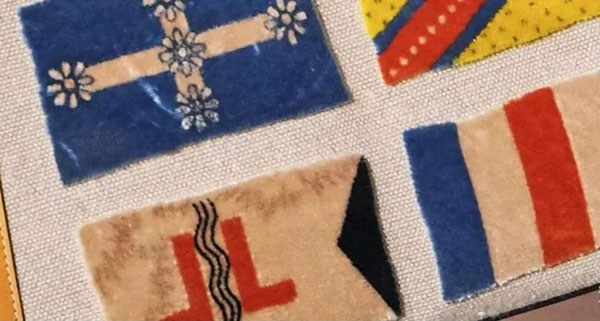 Flocking Embroidery
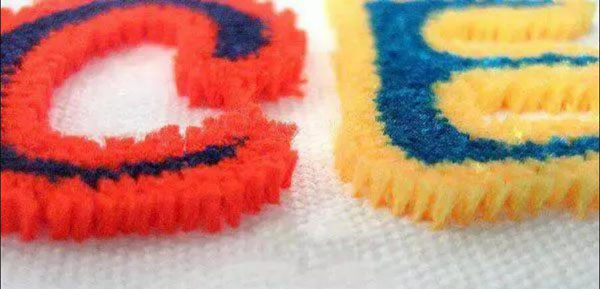 Toothbrush Embroidery
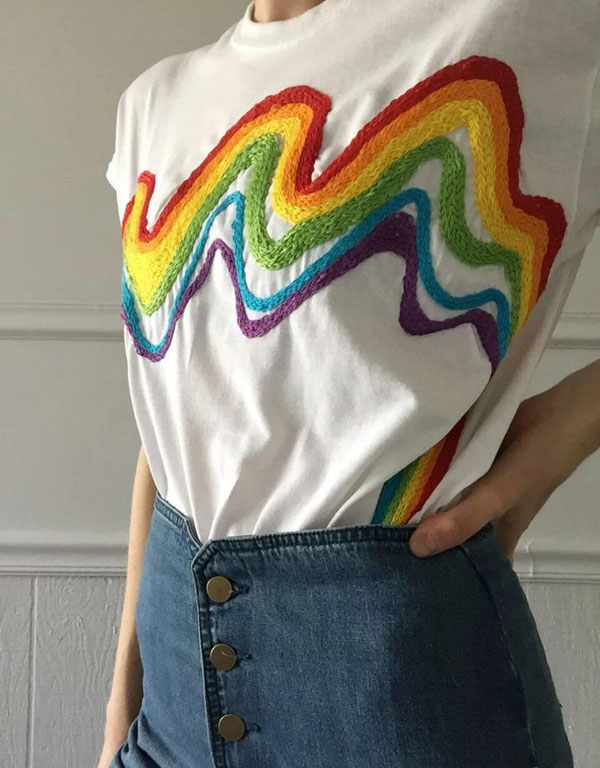
 10, Chain EmbroideryBecause the coil is interlocking and shaped like a chain, it gets its name.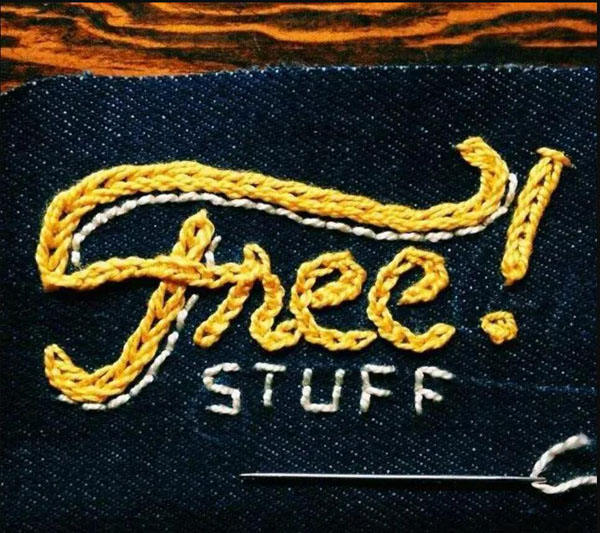
 11, Towel EmbroideryTowel Embroidery is embroidery with a towel suede effect on the embroidery surface.With the requirements of different products, the embroidery methods of towel embroidery (terry embroidery) emerge in endlessly.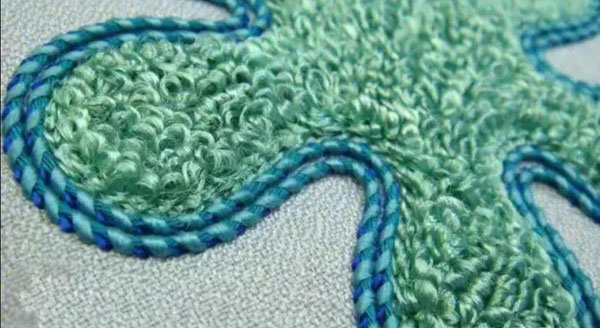
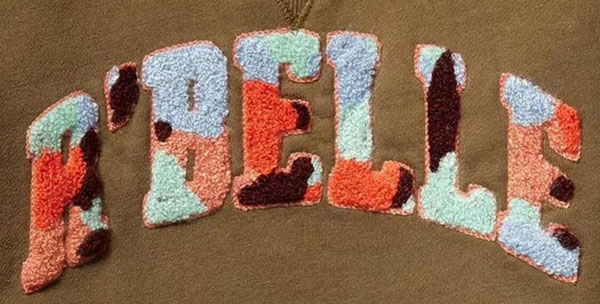
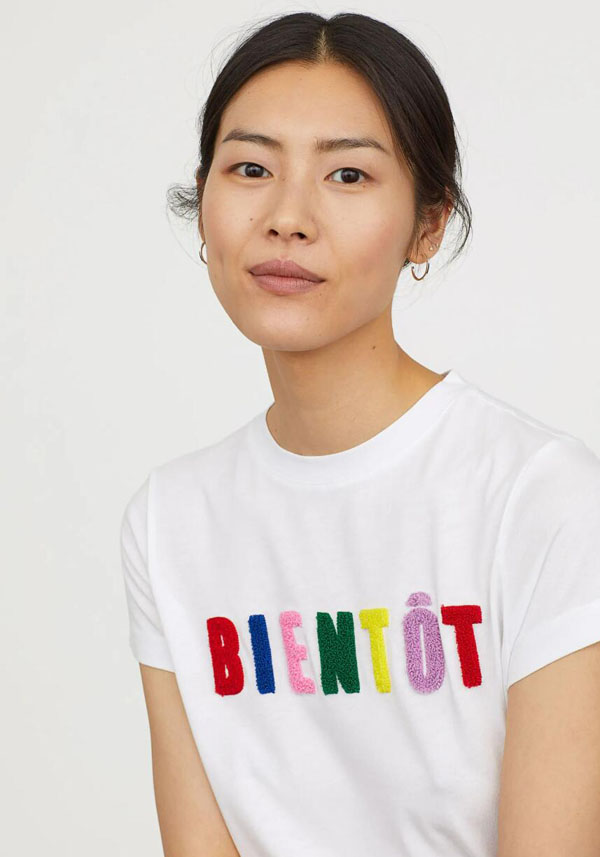

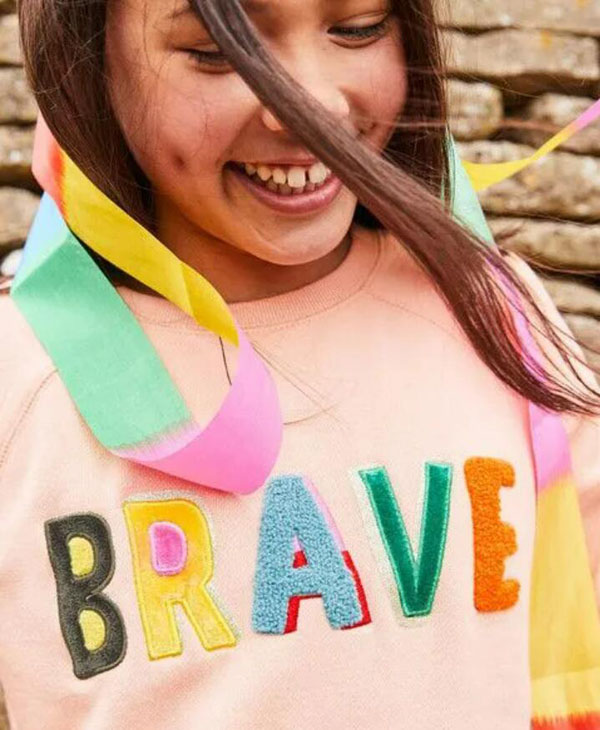
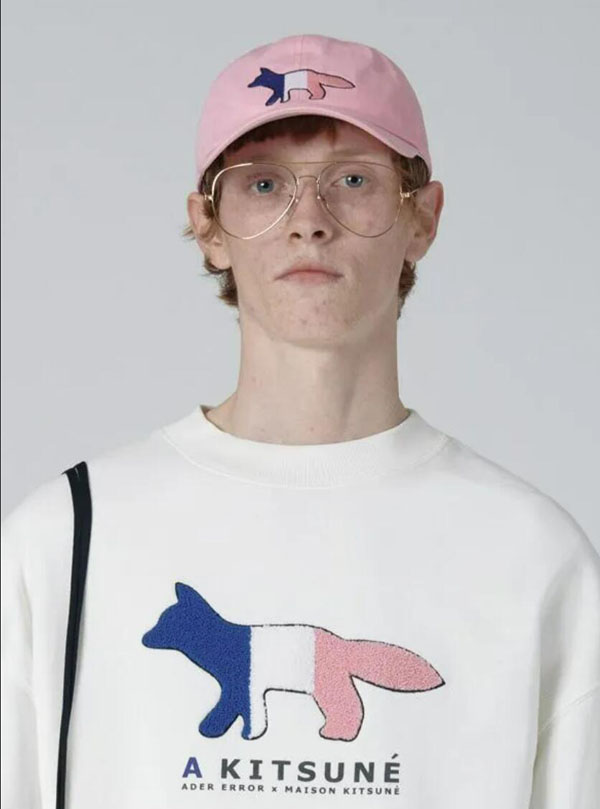 12 strip embroidery, wide strip embroideryAs a special computerized embroidery machine, "Tape Embroidery" is a supplement to the function of the flat stitch embroidery machine (flat embroidery machine).Tape Embroidery/Rope Embroidery...A wide range of materials can be used. Available in 15 sizes of ribbons with a width of 2.0 to 9.0 (mm) and a thickness of 0.3 to 2.8 (mm).
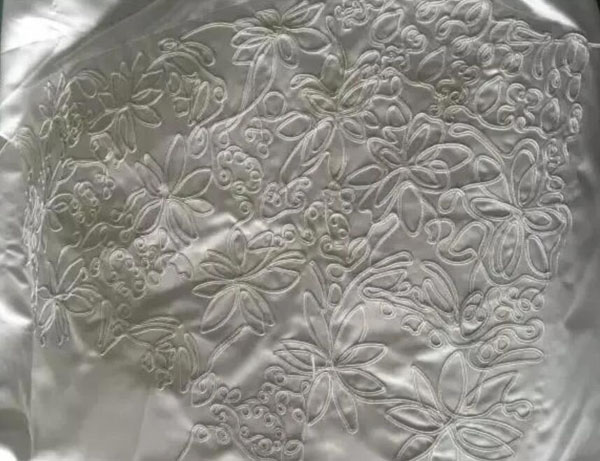 Tape Embroidery
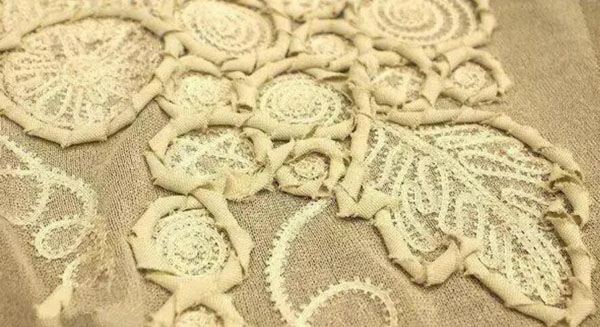 Broadband Embroidery is a kind of tape embroidery
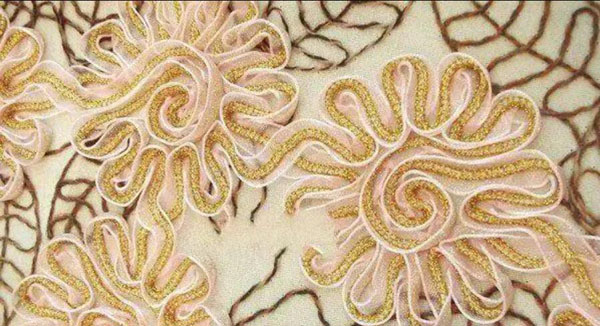 Tracking Rope Embroidery, an important embroidery method, is an embroidery method that uses embroidery threads to wrap strings inside.
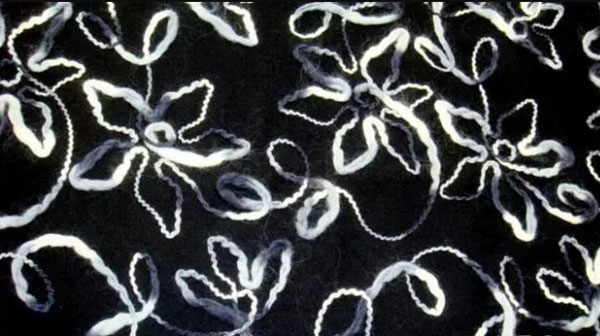 Thick Thread Embroidery, a kind of rope embroidery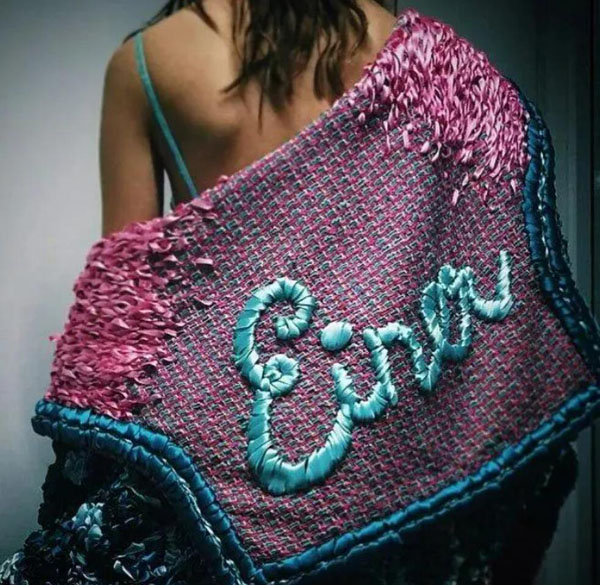
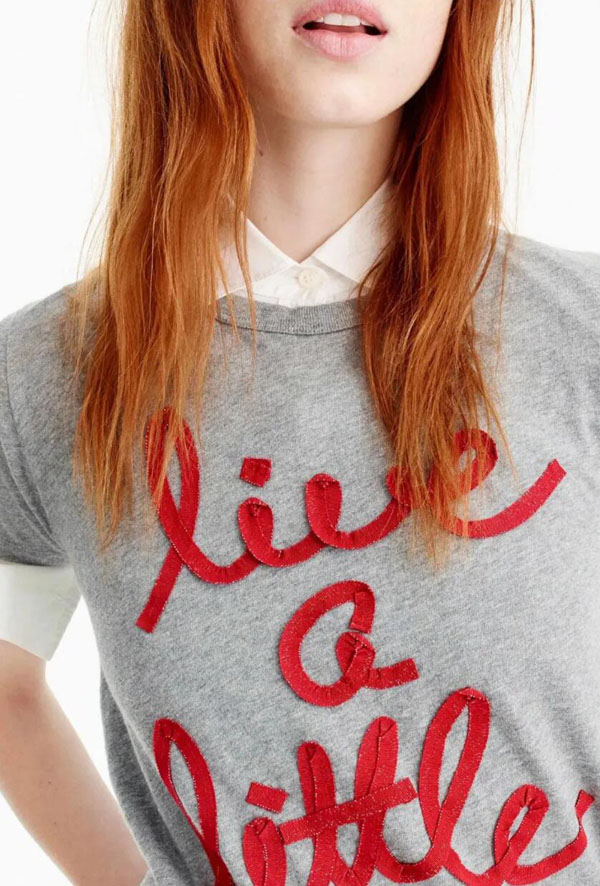
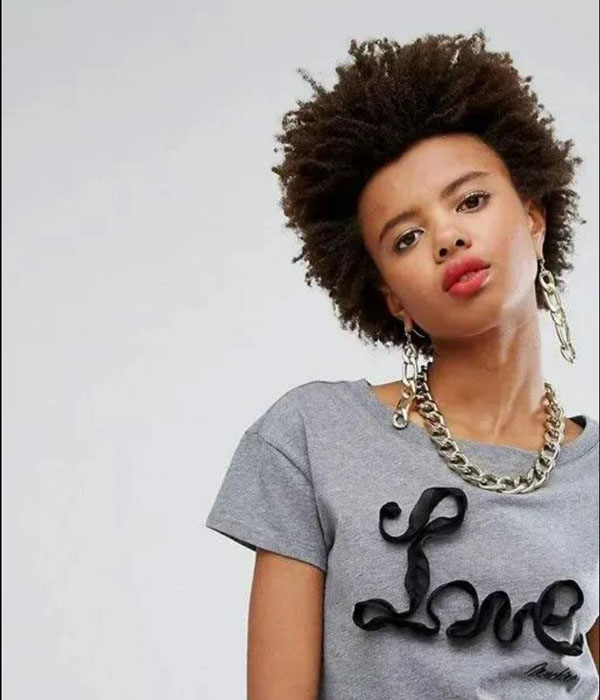
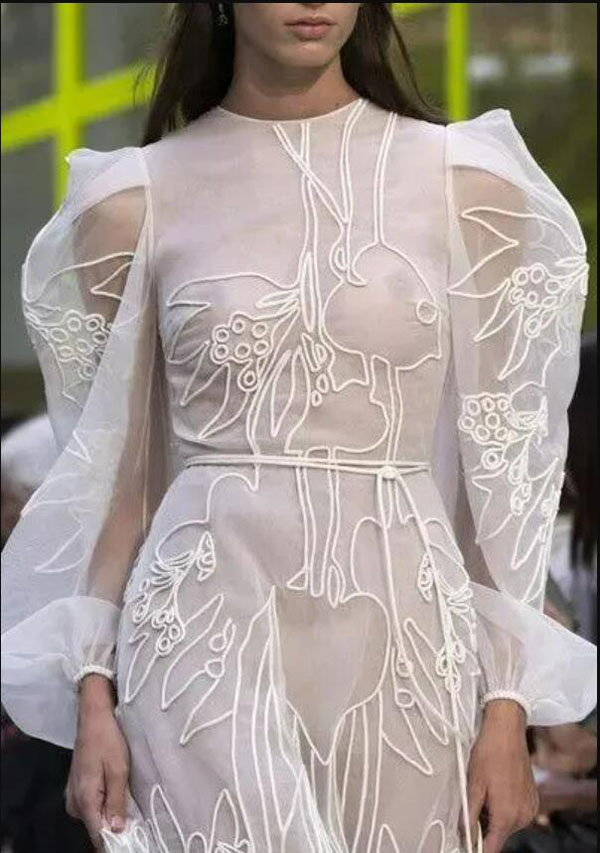 13, Jewel EmbroideryUsing flat gold thread embroidery and three-dimensional embroidery, a new craft with more variations than imitation stone stickers - gemstone embroidery was developed.
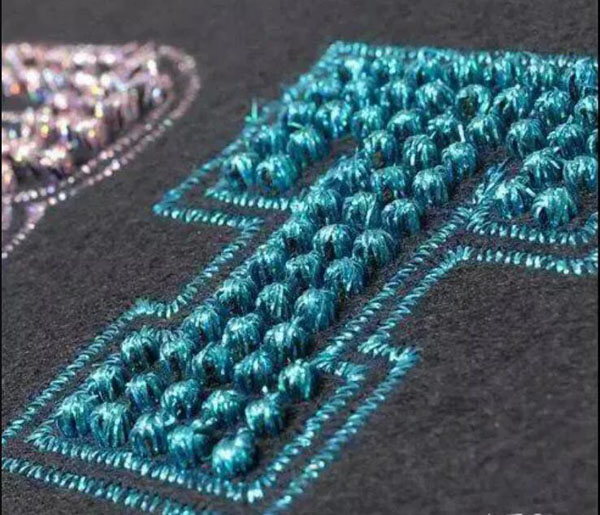 14, Laser Cut EmbroideryLaser Cutting Embroidery is a combination of embroidery and laser technology. Laser cutting is divided into surface cutting, half cutting and full cutting.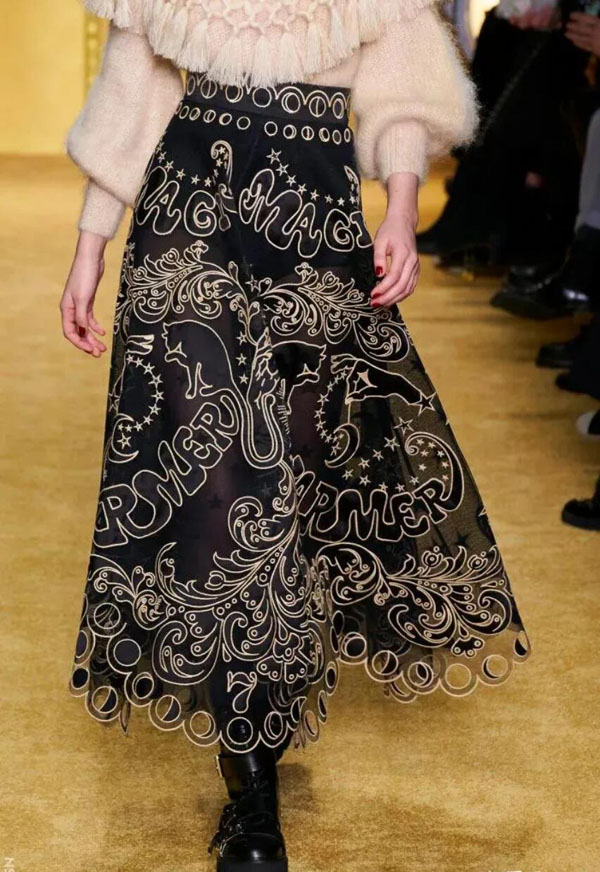
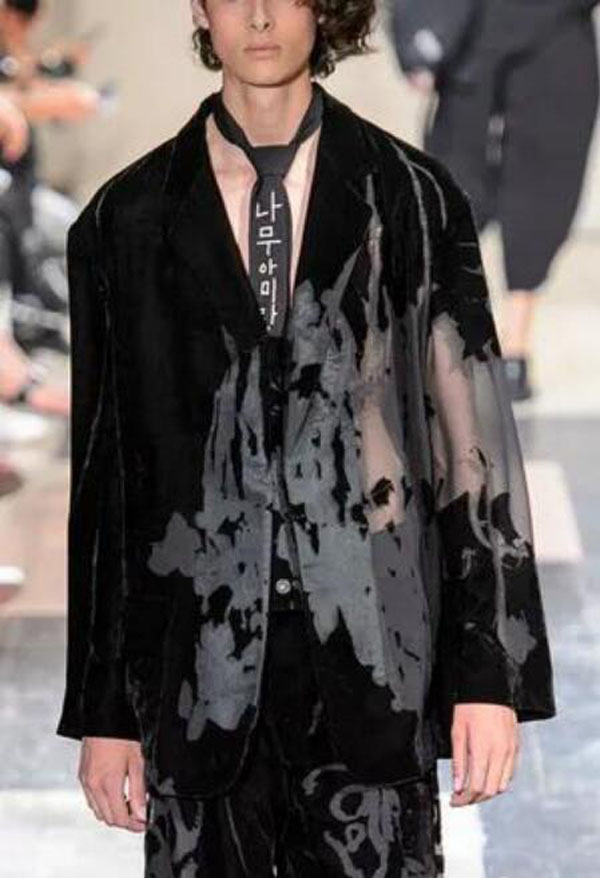
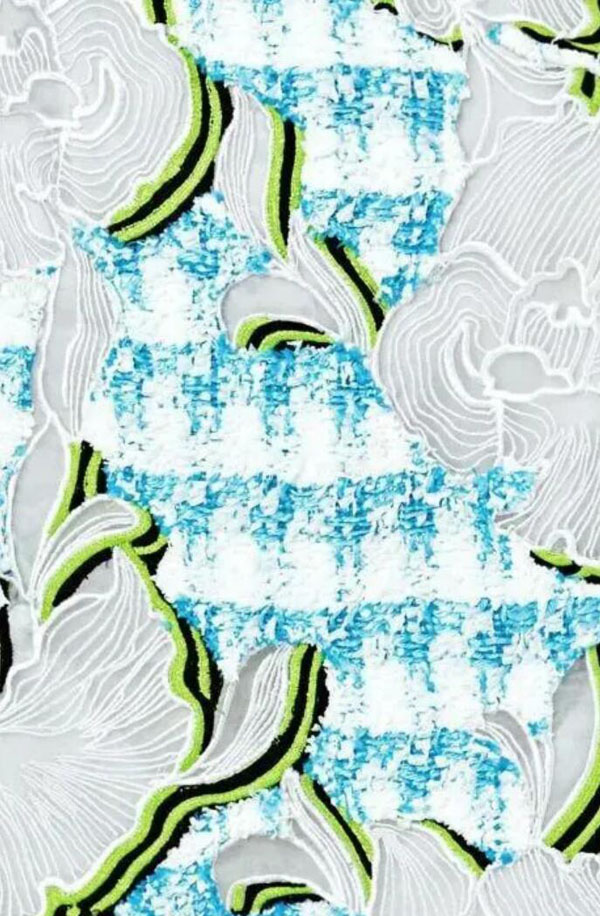 15, Cross StitchCross-stitch was originally a popular hand-embroidered craft, but now it can be imitated by machines.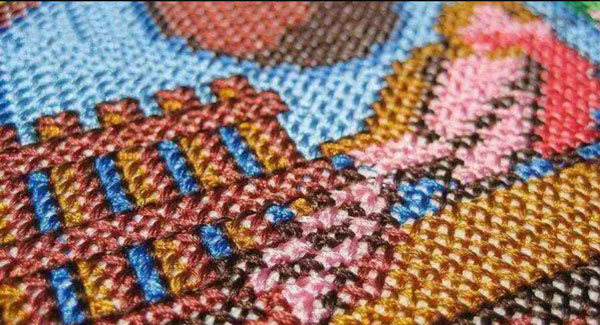
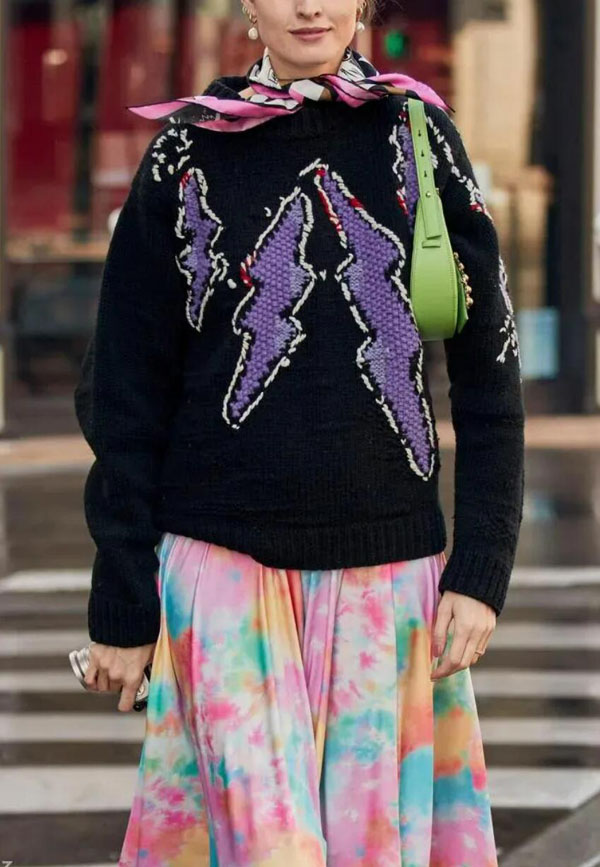
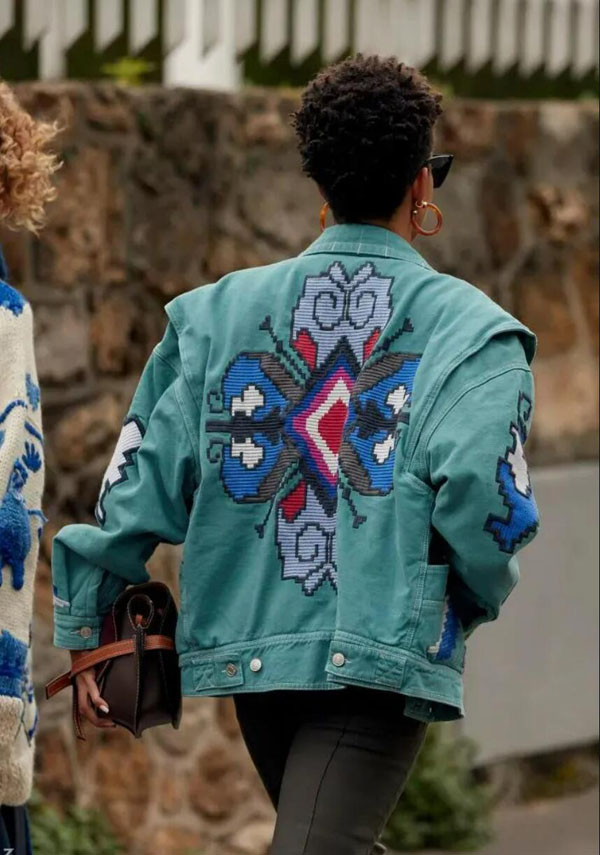 Embroidered1. Cut Embroidery2. Garment EmbroideryCommon Embroidery Thread1. Rayon thread: Rayon is more expensive, with good gloss, good coloring and bright color, suitable for high-end embroidery.2. Pure cotton thread: cheap, can be used as upper thread and bottom thread.3. Artificial cotton: also known as mercerized cotton.4. Polyester silk: common thread for embroidery. Also known as polyester silk.5. Gold and silver thread: commonly used thread for embroidery. Also called metal wire.6. Embroidery thread: also known as PP thread. Good strength and rich color.7. Milk silk: Embroidery thread is not commonly used, it feels soft and fluffy.8. Low elastic thread: Embroidery thread is not commonly used and can be used as a bottom thread.9. High elastic silk: Embroidery thread is not commonly used
- Previous [Return Home] [Print] [Go Back] Next
Products Search
